SIMPLE AND ACCURATE TIPS FOR SELECTING QUALITY RAW BIRD’S NEST
Nowadays, there are countless suppliers of bird’s nest on the market. However, if you do not know the correct way to choose high-quality raw bird’s nest, it is very easy to end up buying counterfeit or low-quality products. Therefore, be sure to remember the following tips for choosing bird’s nest below:
HOW TO CHOOSE QUALITY RAW BIRD’S NEST BASED ON COLOR
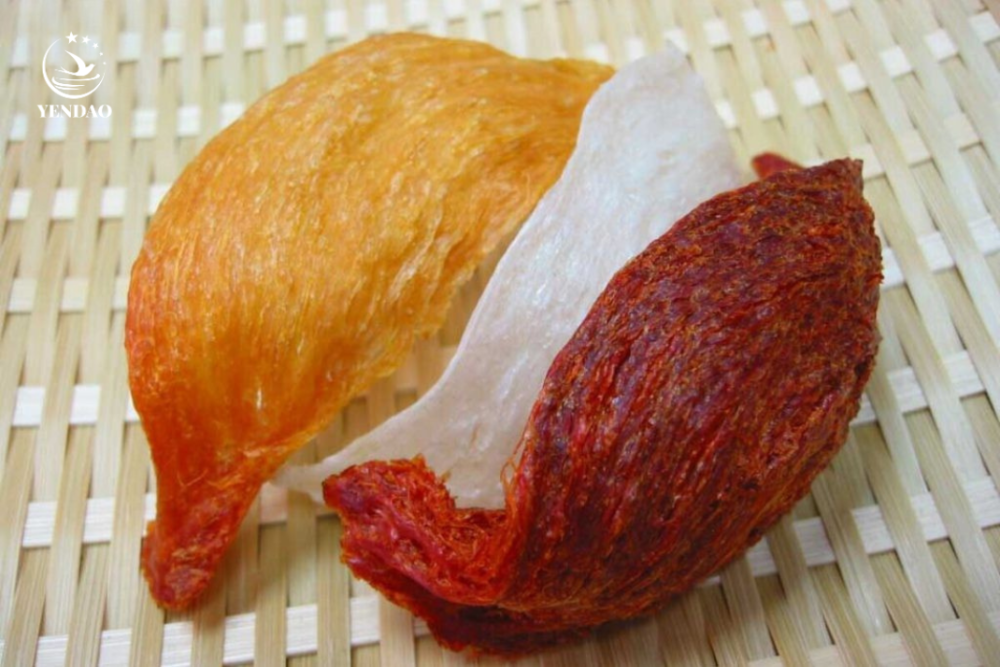
The first factor to consider when evaluating the quality of bird’s nest is its external color. Generally, bird’s nest comes in three main colors, each corresponding to different nutritional characteristics:
-
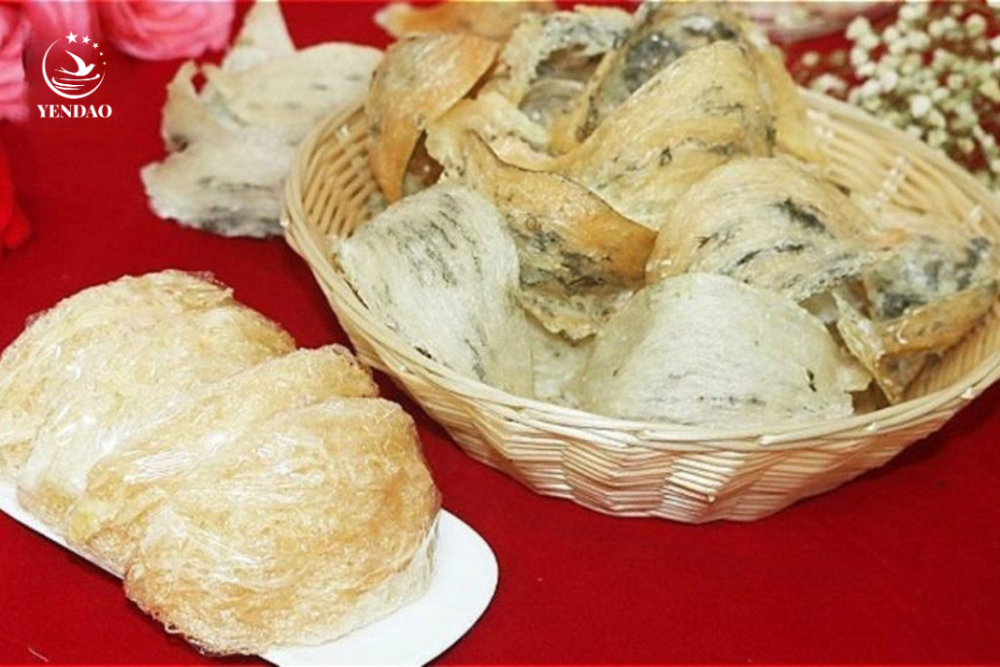
White bird’s nest: The nest is white, light yellow, or dark yellow. The difference in color depends on whether the nest is young or mature—the older the nest, the darker its color.
-
Pink bird’s nest: The nest ranges from light orange to dark orange naturally, with the color gradually becoming lighter toward the center of the nest.
-
Red bird’s nest: The nest ranges from light red to deep red, with a very natural color. The strands of the nest are clearly visible, and the surface is slightly rough because this type of bird’s nest is naturally formed in caves.
EVALUATING THE EXTERNAL SHAPE – AN EFFECTIVE WAY TO SELECT QUALITY BIRD’S NEST
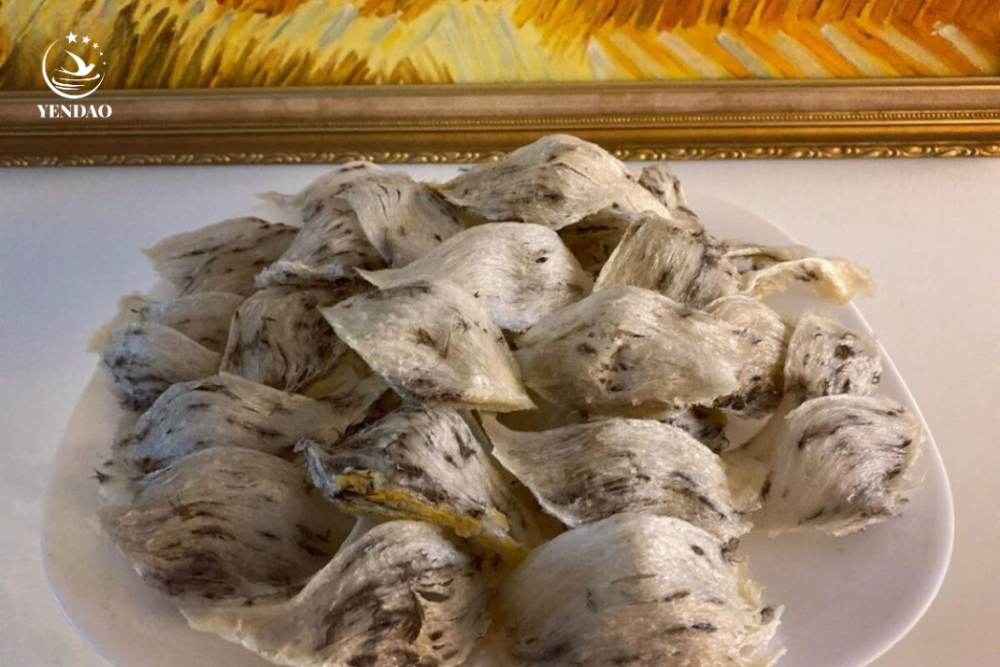
You should choose mature bird’s nests, which are characterized by clearly visible strands, cleanliness, an intact structure, and minimal impurities—mainly bird feathers attached to the nest. Based on their external appearance, raw bird’s nests are generally classified into two types:
Natural White Raw Bird’s Nest:
Natural white raw bird’s nests are usually harvested from areas with harsh natural conditions. Therefore, their external shape is often small and round, with a rough and uneven surface. The nest is very hard and sturdy, with a dense and solid structure.
House-Farmed White Bird’s Nest:
This is currently the most common and widely available type of bird’s nest. In appearance, farmed bird’s nests are usually larger in size, have a flatter and smoother surface, contain fewer feathers, are less hard, and have a structure that is not as firm as that of natural bird’s nests.
By comparing the external characteristics of these two types of bird’s nests, an experienced buyer can easily distinguish between natural bird’s nests and house-farmed bird’s nests based solely on their outward features.