Because of its distinctive shape and smell, many people think that raw bird’s nest is difficult to counterfeit. However, in reality, can raw bird’s nest be faked? The answer is YES. If you don’t pay close attention, it’s easy to be deceived into buying poor-quality imitations. Readers should learn and check the quality of bird’s nests before purchasing. Below are some general notes for you.
Before exploring whether raw bird’s nest can be faked, let’s first understand what this type of bird’s nest is. Raw bird’s nest is 100% pure, harvested with feathers and impurities still intact, without any preliminary processing. Because it has not been treated, the price of raw bird’s nest is lower than refined types, but it retains the full nutritional content of the nest.
The characteristics of genuine raw bird’s nest include overlapping layers of fibers resembling loofah strands, with the body of the nest thinner than the base. Authentic nests usually measure 8–10 cm in length, 5–6 cm in width, and weigh between 7–15 g depending on thickness.
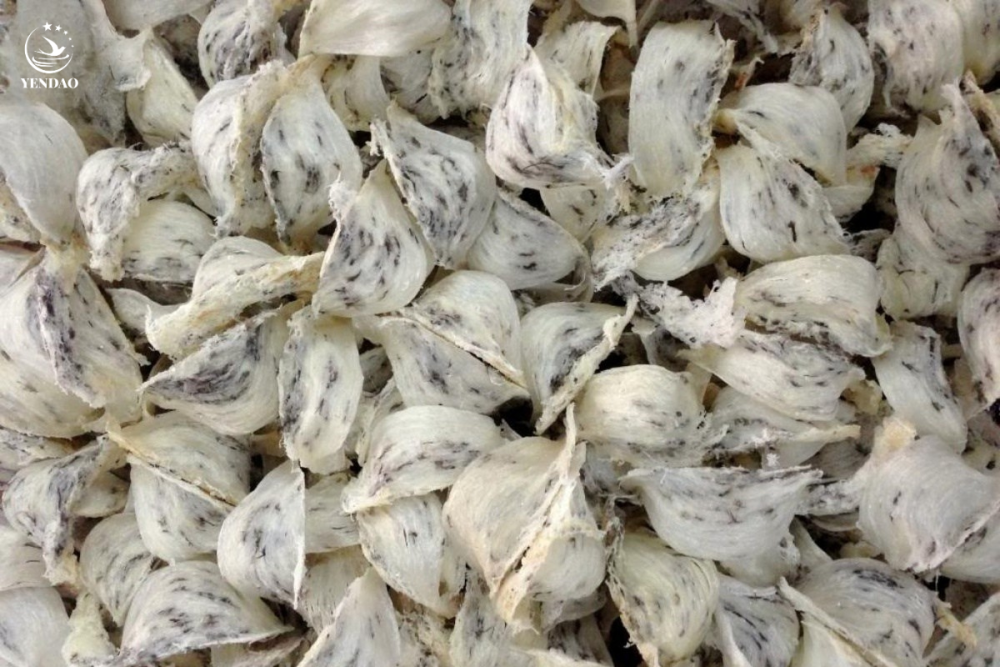
In reality, because raw bird’s nest is highly valuable yet difficult to harvest, many people counterfeit it using materials that closely resemble the genuine product in order to gain profit. Without experience in buying bird’s nest or if being careless, it is very easy to end up purchasing fake raw bird’s nest.
Raw bird’s nest can indeed be faked. Counterfeiters use materials similar to bird’s nest, weaving fibers together and layering them skillfully. At first glance, they look very much like the real thing, even with added feathers and impurities. However, all of these are made from mixtures of wheat starch (cassava), agar, egg whites, fish cartilage, adhesive agents, and more. These fake nests often contain different filler ratios such as 20%, 50%, or 70%, and are priced accordingly.
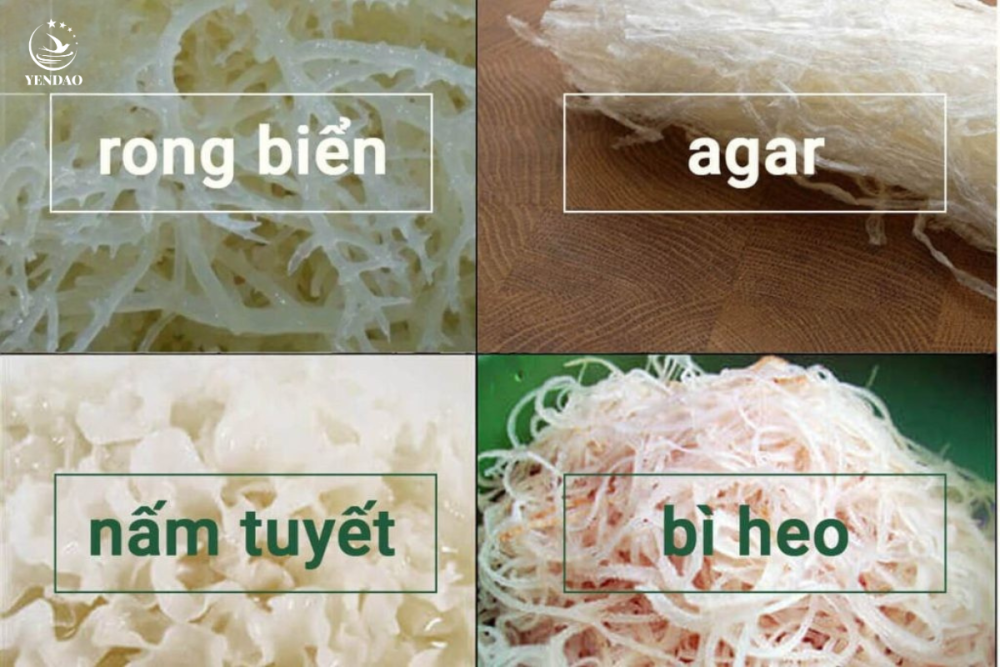
Another method of counterfeiting raw bird’s nest is by mixing genuine bird’s nest fibers with other materials. People spray mist onto real nests, then extract the authentic fibers and replace them with low-quality substitutes such as tragacanth gum, snow fungus, jelly, glass noodles (the most similar to bird’s nest), etc. Afterwards, the nests are soaked in sugar water, powder, or salt to increase their weight. During the process, feathers, dust, and impurities are also added to create the illusion of genuine raw bird’s nest.
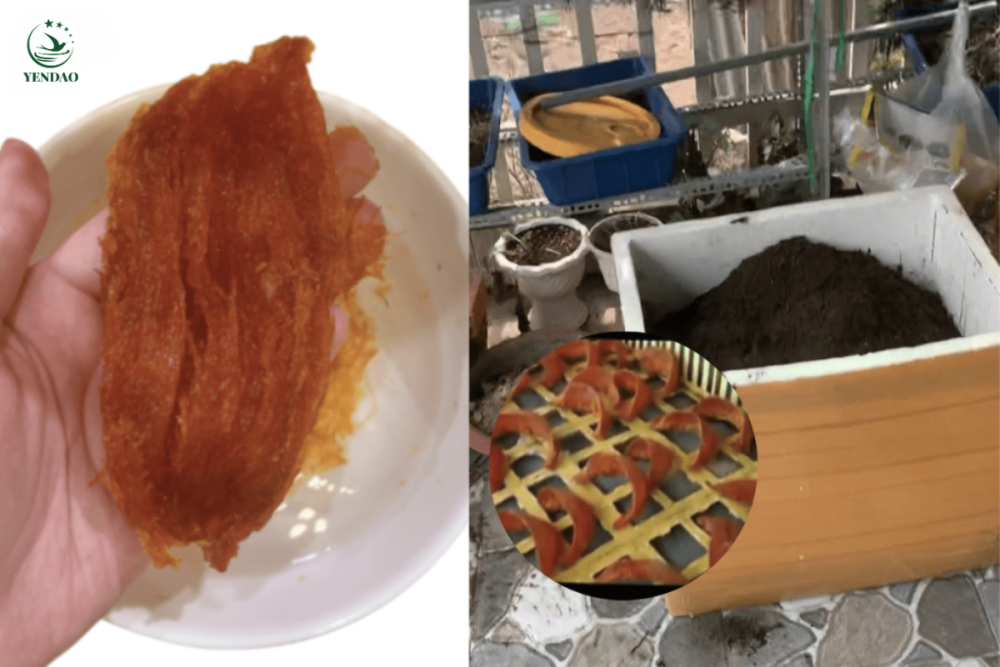
Moreover, raw bird’s nest can also be counterfeited using food coloring or bird droppings with the purpose of turning white bird’s nest into “blood nest” to increase its economic value. Because bird droppings contain ammonia, they cause a chemical reaction that produces nitrite, which changes the nest’s color from white to red.
There are two common methods that dishonest traders often use: Diluting water with bird droppings and brushing it onto the base of the nest before harvesting. Placing freshly harvested nests into foam boxes and fermenting them with bird droppings. By applying these methods for 1–2 months, the nests will naturally change color to red, resembling blood nest, or orange, resembling pink nest. Even experienced professionals in the industry find it difficult to distinguish between genuine raw blood nest and counterfeit ones that have been artificially altered.
In general, bird’s nest is a food with very high nutritional value, so it is hard to avoid dishonest traders using tricks to gain more profit. Buyers must be truly cautious when purchasing any type of bird’s nest, not only raw bird’s nest.
For experienced bird’s nest consumers, just a glance is enough to recognize whether raw bird’s nest is genuine or fake. However, for new users, determining if raw bird’s nest has been counterfeited is not easy. Therefore, you can refer to several methods of identifying fake raw bird’s nest as follows:
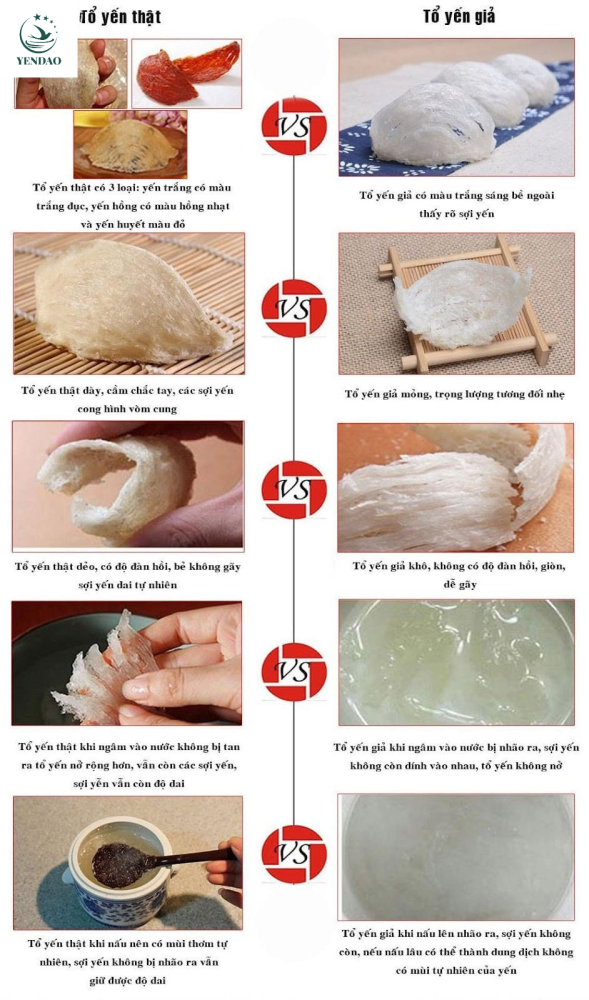
Based on these methods, you can answer the question of whether raw bird’s nest can be faked. To avoid concerns about quality, you should carefully research the supplier and compare prices with the market. Absolutely avoid buying raw bird’s nest from unknown sources, unbranded sellers, or floating markets. If possible, buy directly at the source so you can personally check the quality of the nest, or purchase from a bird’s nest farm.
Yen Dao Can Gio is a supplier of bird’s nest products committed to 100% authenticity, with no preservatives. With a scientific swiftlet farming system and standardized production process, they deliver the highest quality products that meet food safety standards. They guarantee all customers that Yến Đảo Cần Giờ products always ensure the highest quality for consumer health.
Bài viết nổi bật

 26/10/2025
"VÀNG TRẮNG" CẦN GIỜ ĐƯỢC TÔN VINH

CÔNG TY CỔ PHẦN YẾN ĐẢO CẦN GIỜ
Trụ sở chính: 170 Đường Đào Cử, Khu phố Phong Thạnh, Xã Cần Giờ, Thành phố Hồ Chí Minh, Việt Nam
Email: contact@yendaocangio.com
Hotline: 1900 866 837
Mã số thuế: 0315675327
Mã số đăng ký kinh doanh: 0315675327
© Bản quyền thuộc về CÔNG TY CỔ PHẦN YẾN ĐẢO CẦN GIỜ